Easy Cognitive Activities for Seniors That Fit Into Daily Life
When people hear the phrase cognitive exercises, it’s easy to picture flashcards, worksheets, or something that feels a little too much like being back in school. But here’s the good news: keeping the brain active doesn’t have to feel formal or boring. In fact, some of the best brain health exercises are already part of everyday life.
The key is simple: activities that feel enjoyable and stress-free are often the ones people stick with the longest. Supporting brain health doesn’t have to mean “doing more”; it can mean finding small, familiar moments to connect, engage, and have a little fun along the way.
Why Enjoyment and Connection Matter for Brain Health
How an activity feels matters just as much as what the activity is.
Exercises that are relaxed, familiar, and enjoyable are more likely to keep the brain engaged than anything that feels stressful or forced. When there’s no pressure to perform, the mind is freer to focus, remember, and participate in the moment.
- Enjoyable activities help reduce stress, which can support focus and encourage consistent mental stimulation for elderly individuals.
- Familiar routines and activities can boost confidence and participation, particularly among older adults.
- Social interaction has been linked to improved cognitive function and slower rates of cognitive decline.
- Meaningful conversation activates multiple areas of the brain, including memory recall and emotional processing.
- Consistency matters—regular mental engagement, even in small amounts, can be more beneficial than occasional complex activities.
- Enjoyment increases motivation, making people more likely to continue activities that support long-term brain health.
Together, these ideas reinforce a simple truth: brain health support doesn’t need to feel clinical or complicated. When they become a part of your daily routine, they’re most effective.
Puzzles, Games & “Just One More Turn” Activities
Games and puzzles have a special way of pulling people in. They don’t feel like exercises, yet they naturally encourage the brain to think, remember, and problem-solve. These activities are a great example of how cognitive activities for seniors can be both engaging and enjoyable.
The beauty of games is their flexibility. They can be adapted to different ability levels, played solo or together, and enjoyed in short bursts or longer stretches, depending on the day.
Word Games That Keep the Mind Moving
Word-based games support language skills, memory, and attention, while also sparking conversation and creativity. Many of these games are familiar, making them easy to jump into without lengthy instructions.
Popular word-game options include:
- Crossword Puzzles
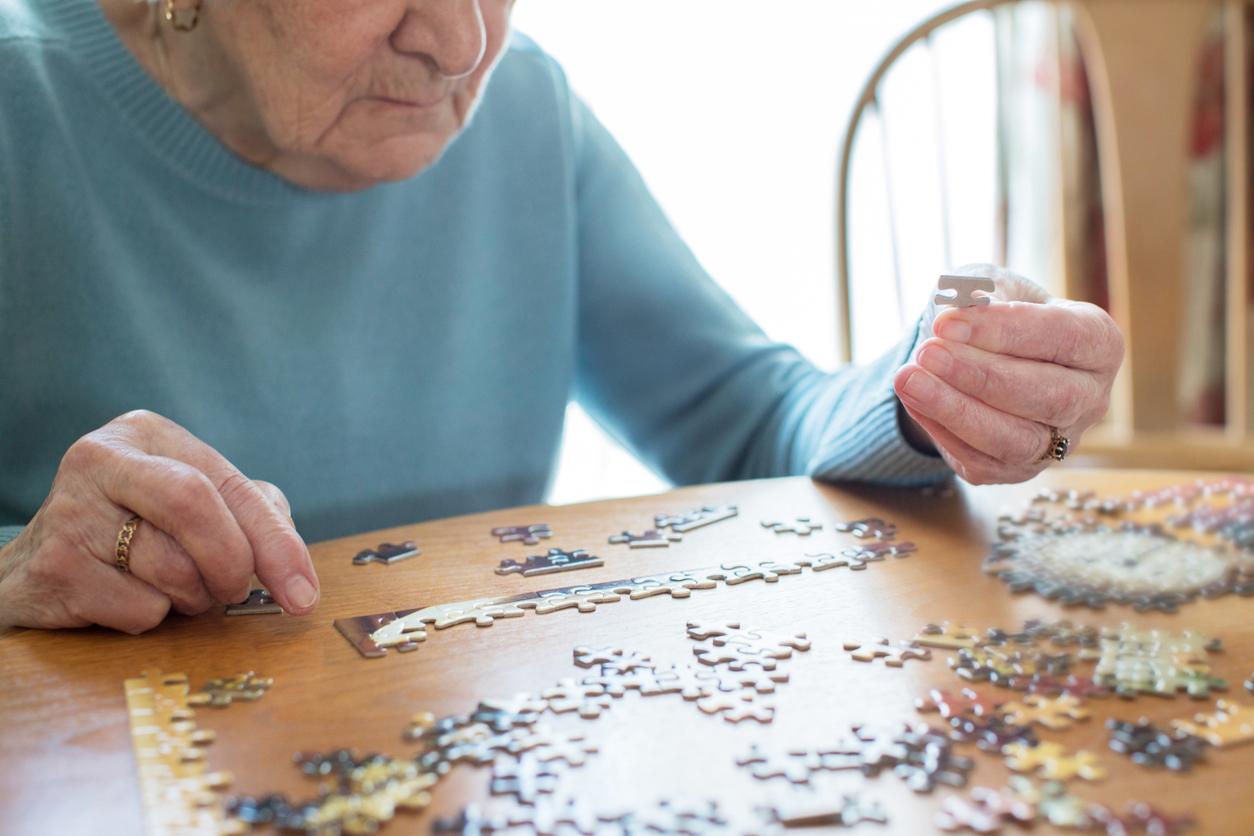
- Jigsaw puzzles
- Word Searches
- Scrabble or letter-tile games
- 20 Questions
- Category games like “Name Something That…”
These activities work especially well when played together, allowing family members to offer hints, celebrate wins, and enjoy the process without pressure.
Numbers, Cards, & Classic Tabletop Favorites
Games involving numbers or strategy help exercise problem-solving skills and logical thinking.
Classic options to try include:
- Sudoku
- Dominoes
- Bingo
- Rummy or Gin Rummy
- Go Fish or Old Maid
Rules can always be simplified, and games can move at whatever pace feels comfortable. Often, the conversation between turns is just as beneficial as the game itself.
Digital Games vs. Tabletop Games: Finding the Right Fit
Digital brain games and apps can be a great option, especially for those who enjoy using tablets or smartphones. Many apps offer adjustable difficulty levels and short activities that fit easily into daily routines.
A few options to explore include:
- Brain-training apps
- Online crossword or Sudoku games
- Virtual card games
- Memory-matching apps
That said, traditional games bring something extra to the table: face-to-face interaction. Choosing between digital and physical games doesn’t have to be an either-or decision. Mixing both allows families to meet loved ones where they’re most comfortable.
The Power of Music & Meaningful Moments
Music has a unique way of reaching the brain in ways other activities often can’t. Research shows that familiar music can activate multiple areas of the brain at once, including memory, attention, emotion, and language. This makes music a powerful tool for supporting cognitive health and an often-overlooked part of memory care tips shared with families.
Music has also been linked to improved mood, reduced stress, and increased social engagement, all of which play an important role in overall brain health. Because it’s flexible and deeply personal, music can be enjoyed in many ways; whether that’s listening quietly, singing along, or sharing stories sparked by a favorite tune.
Simple Ways to Turn Music Into a Brain-Boosting Activity
Music-based cognitive engagement doesn’t need to be complicated. Small, meaningful interactions often make the biggest impact.
Families can support brain health through music by:
- Creating playlists based on favorite decades, artists, or life moments
- Playing lighthearted listening games like Finish the Lyric
- Encouraging gentle movement, such as clapping, tapping, or seated dancing
- Using songs as conversation starters to spark memories and storytelling
- Making music a shared experience rather than a solo activity
These moments don’t need to be structured or scheduled. Just a few moments of listening or a spontaneous sing-along, music creates natural opportunities for connection, engagement, and joy, while supporting brain health.
Conversation Counts: Brain Health Through Everyday Talk
Conversation may be one of the most underrated tools for supporting brain health. Talking, especially in a relaxed, social setting, naturally engages memory, attention, language, and emotional processing all at once. Best of all, it doesn’t require supplies, planning, or special skills. It just starts with spending time together.
Research has linked regular social interaction to better cognitive function and a lower risk of cognitive decline, making everyday conversation an important part of mental wellness. Whether it’s sharing stories, exchanging opinions, or laughing about small moments, these interactions keep the mind active while strengthening relationships.
Simple Conversation-Based Activities That Make a Difference
Not every conversation has to be deep or meaningful to be beneficial. Light, playful prompts can encourage engagement without pressure and help conversations flow naturally.
Easy conversation starters and games include:
- Asking open-ended questions, like: “What was your favorite place you ever visited?”
- Playing opinion-based games such as “Would you rather…?”
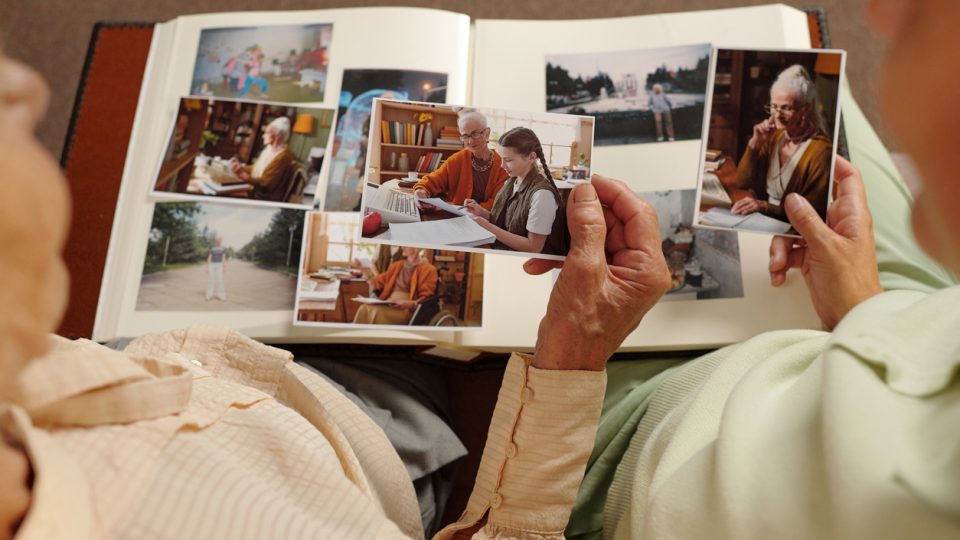
- Looking through old photos and sharing memories tied to them
- Talking through daily routines or upcoming plans
- Sharing family stories, traditions, or recipes
When conversations feel natural and enjoyable, they become a powerful way to support brain health in everyday life.
Discover a Community That Grows With You
Many of the cognitive exercises shared here can be done right at home. Games, music, and everyday conversation all offer simple ways families can support brain health and stay connected with the people they love. These approaches often play a role in overall wellness and dementia prevention, especially when practiced consistently.
At the same time, some families reach a point where additional support becomes helpful, especially after a diagnosis related to Alzheimer’s or dementia. At Lakeshore Senior Living in Guntersville, AL, we’re here to provide compassionate Alzheimer’s support and guidance through every stage.
Our community offers a caring environment where residents receive thoughtful support, meaningful engagement, and opportunities to continue living with purpose. When the time comes for more support, you don’t have to navigate it alone.
Schedule a Tour to Learn More About Our Memory Care Community
If you’re exploring options for additional support or want to learn more, we invite you to schedule a tour of Lakeshore Senior Living. Visiting our community is a great way to see how we support residents living with memory loss.
Our team is happy to answer questions, share resources, and help your family decide what the next step looks like, all at a pace that feels right for you. Schedule a tour with us today to get started.

Top Amenities Families Should Look for in an Assisted Living Community